

INTRO
What is SD-WAN?
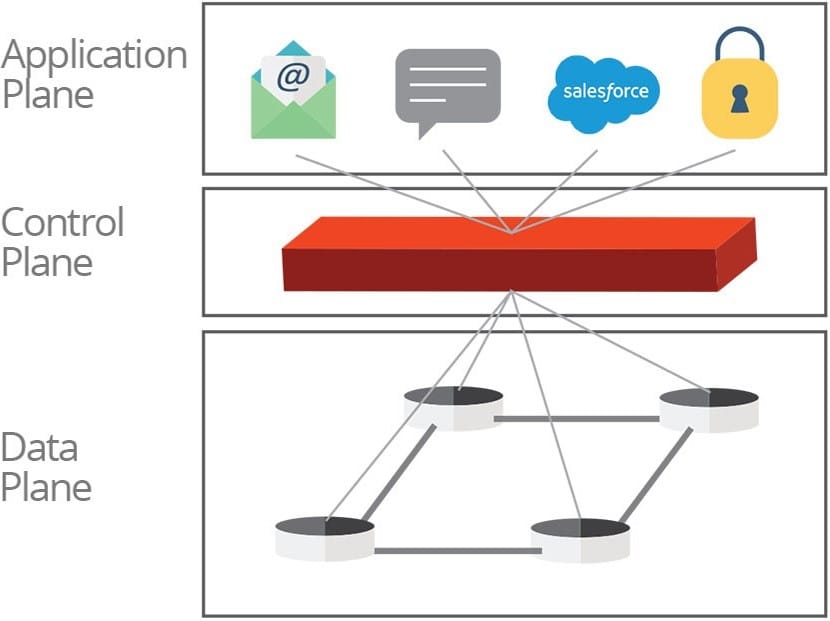
SD-WAN is a smarter, cloud-based network that can utilize multiple connection types, such as MPLS, broadband or cellular.
Based on the type of application, it uses a central control system to securely guide traffic along the best path in real-time.
This approach increases performance, simplifies network management, and helps cut costs.
The next generation of SD-WAN, Secure Access Service Edge (SASE), incorporates more enhanced security functions.
Also note, SD-WAN pairs well with UCaaS.

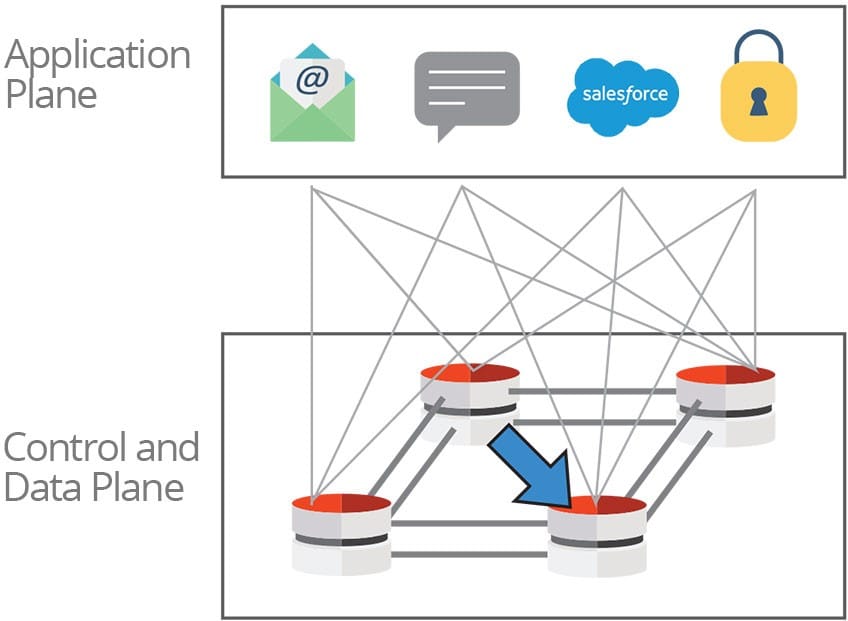
Traditional Network
SD-WAN
FEATURES & BENEFITS
SD-WAN features deliver a more agile, secure & reliable network!
Auto Failover
In the event of a connection issue, traffic is rerouted.
Online Portal
Manage the entire network from one interface
Cost Savings
Pay only for the bandwidth you use – and less equipment needed
Less IT Staff
Overall operation requirements of the network are reduced.
Scalable
Add or reduce offices and bandwidth needs faster and easier
Better Security
More enhanced security features can be integrated – aka SASE
Less Stress
Have more peace of mind with the overall benefits of SD-WAN!
SD-WAN + UCaaS
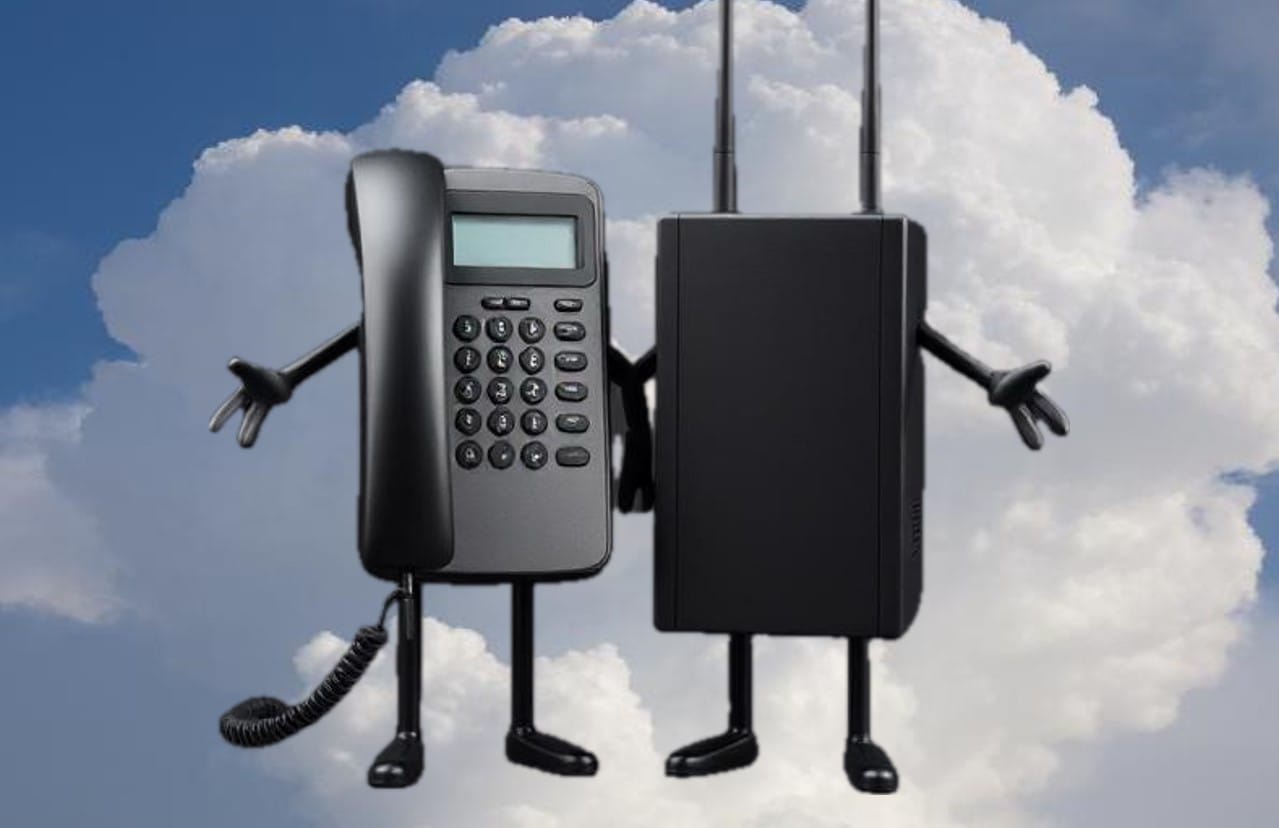
SD-WAN & UCaaS is a match made in “the cloud”
SD-WAN is a perfect match for latency-sensitive voice and video applications, such as UCaaS.
SD-WAN can improve voice quality, reducing issues around packet loss, jitter, etc. – which make for a poor user experience.
For example, a voice app can run on one internet connection and be failed over to another if there is an issue – maintaining the voice session, without the user being impacted.
SD-WAN + MPLS
SD-WAN vs MPLS? How about both?
IT leaders are adopting a hybrid network strategy that integrates SD-WAN with existing MPLS and other connectivity solutions.
This “best-of-both-worlds” approach acknowledges that SD-WAN does not always need to replace current systems.
Instead, it complements existing systems by providing greater transparency and improving the end-user experience.
When implementing SD-WAN, customers’ existing network does not go away, but instead becomes the underlay technology.
MPLS, for example, is still needed for guaranteed QoS end to end – particularly for verticals that require secure and compliant transmissions of data.

FEATURED PARTNERS
SD-WAN & SASE explainer video demos
Aryaka
Bigleaf
Cato
Top SD-WAN Providers
Partial Partner List: Aryaka, Bigleaf Networks, Cato Networks, Comcast, Cox, Lumen, Spectrum and Verizon
