


On-Premises PBX Toll Fraud Liability Traps
By: Derek Harris | Dialvice CEO | 30+ years’ experience
👉 5 mins saves you 15+ hours!
Updated July 31, 2026
Your PBX is a 5-figure toll fraud trap
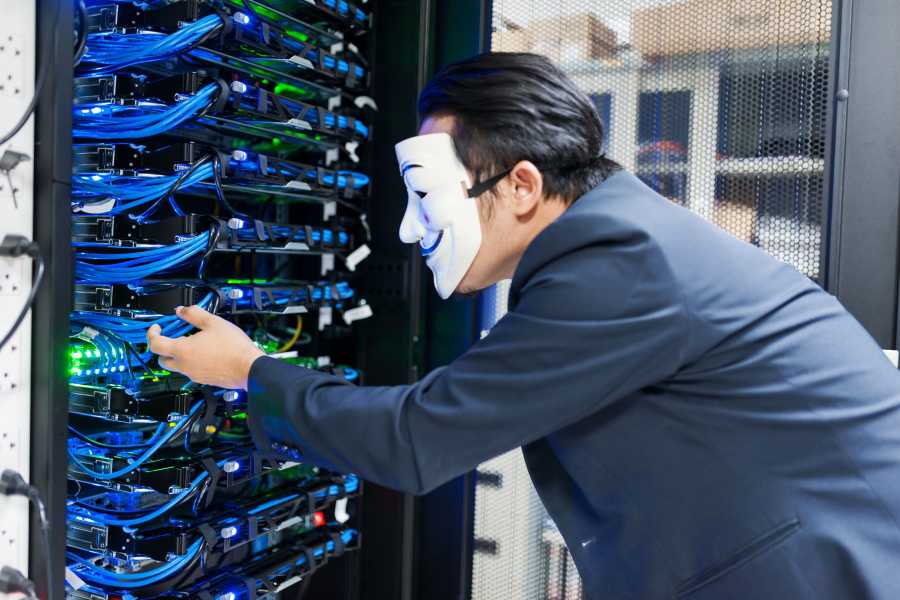
If you run an on-premises PBX vs a more secure cloud phone system, your biggest threat isn’t a system crash.
It is an unseen security loophole that hackers exploit to hijack your outbound lines—a cybercrime known as telecom toll fraud.
Over a single weekend, bots can breach your system and route thousands of premium international minutes through your lines.
When the massive bill arrives, your carrier may not waive the charges.
Under current FCC tariffs, you own the hardware, which means you own the security and 100% of the financial liability.
If the call originates from your building, you are legally contractually obligated to pay every penny.
———————
👉 Exploring Cloud options? See our complete cloud phone system guide and our overview hosted PBX pricing vs. hardware: cloud VoIP ROI.
Buyer’s shortcut 🔥
Skip the sales pitch & spam.
Take the Dialvice 5-Minute Quiz to find your precise Cloud Phone System.
75% of buyers prefer a “rep-free” experience, Gartner.
Key Takeaways & Quick Links
- Weekend Strikes: Fraud rings strike after hours on Fridays, racking up thousands of dollars before your team returns on Monday.
- Legal Liability: Carrier tariffs may hold the physical equipment owner fully responsible for all unauthorized long-distance charges.
- DISA Vulnerability: Direct Inward System Access and open maintenance ports are the primary entry points for automated hackers.
- FCC Rule Shifts: Mandatory SIP 603+ regulations require real-time, call-level validation, which legacy hardware cannot provide.
- Cloud Remedy: Eliminating risk requires removing physical trunk lines entirely and migrating to a managed cloud environment.
35-user regional Logistics Hub scenario
Imagine a 35-user logistics firm running an older, on-premises Toshiba or Mitel server.
To help remote dispatchers work after hours, IT leaves Direct Inward System Access (DISA) enabled. This lets users dial in from home and route outbound office calls.
Late Friday night, an automated bot hits the company’s public lines. It cracks a weak four-digit extension PIN in minutes.
Over the weekend, the hacker’s script floods premium international destinations with concurrent calls.
By Monday morning, the firm is locked out of its lines and faces a $38,400 carrier invoice.
The bottom line is simple. Your carrier may not absorb this cost.
Without real-time cloud monitoring and modern security, your closet PBX is an uninsurable liability that can drain your operating capital overnight.
Carrier Tariffs & Legal Precedent
When toll fraud occurs, standard legal defenses rarely shield a business from carrier liability. Tariff regulations dictate that financial responsibility for unauthorized calls rests entirely with the hardware owner.
Un-waivable invoice
Over the years, we have watched dozens of business owners scramble through emergency legal appeals after a phone system hack.
They assume that because they are the victim of a cybercrime, the telecom provider will forgive the unauthorized long-distance charges. This assumption is completely wrong.
Carrier service agreements are built around strict tariff rules registered with regulatory commissions. These contracts state clearly that you are responsible for securing any equipment inside your building.
If a call originates from your physical lines, it is considered valid traffic, meaning you are contractually obligated to pay for it.
Where providers hide the risk disclaimer
Traditional telecom carriers do not broadcast this liability on your monthly statement. Instead, they hide it within their terms of service under sections labeled “Customer Premise Equipment Responsibilities” or “Unauthorized Usage Clauses.”
The sales pitch when you originally bought the system focused on the security of owning your own physical hardware box. The real kicker is that this ownership model places 100% of the operational and financial risk directly on your shoulders.
Evaluate your active contract exposure
Pull your primary dial-tone or PRI service contract today. Search specifically for terms relating to fraud, customer liability, or security breaches.
If your contract lacks an explicit cap on fraudulent usage liability, you need to implement protective measures before your system is targeted by automated networks.
💡 Derek’s Pro Tip: Carriers may not waive toll fraud bills because they already paid the overseas networks to route the calls. Worse, standard business insurance typically denies these claims under electronic data exclusions.
High-risk closet access vectors
Fraudulent traffic rarely starts with targeted hacking. Automated bots exploit forgotten configurations and maintenance access points to compromise local phone hardware within minutes.
How scanners weaponize VM & DISA
Hackers do not manually guess your phone codes. They use automated software bots that scan blocks of business phone lines looking for open remote maintenance ports or active Direct Inward System Access functions.
Once they find an open gateway, the bot attempts to crack standard default passwords or predictable four-digit extensions.
Another common approach targets your local voicemail box programming. Some voicemail setups allow users to listen to messages and then dial an outside line. Hackers easily exploit this loop to route massive international traffic through your system.
Maintenance port loophole
When local telecom vendors install a physical PBX box, they routinely activate a remote maintenance dial-in line so they can change programming without driving out to your building.
They frequently leave these lines secured with factory default passwords like “1234” or “9999.”
Auditing local hardware points
Contact your phone technician and demand a full configuration printout. Have them immediately disable any remote maintenance connections, turn off external dialing from your voicemail system, and shut down unused DISA extensions.
If your staff cannot operate without these remote access tools, you need to transition them to an authenticated softphone platform.
💡 Derek’s Pro Tip: Vendors often leave remote maintenance ports open with default codes like “1234.” If your system hasn’t been audited in the last six months, scanners will easily exploit this.

Changing regulatory landscape
Modern FCC mandates have changed how telecom providers inspect and route network traffic. Legacy on-premises phone systems lack the real-time protocols required to benefit from automated carrier blocking.
How new FCC Rules alter active fraud defense
The technical landscape surrounding fraud defense shifted significantly. The Federal Communications Commission introduced updated mandates designed to prevent carriers from silently dropping traffic based on basic probability analytics.
If a network blocks a call path, it must issue a standardized, verifiable SIP response code detailing the exact evidence behind the decision.
This means carriers can no longer implement aggressive, sweeping blocks on your lines based on simple traffic guesses without risking regulatory penalties. They need call-level validation, which legacy on-premises hardware cannot natively provide to the network.
| Security Parameter | Legacy On-Premises PBX | Cloud Phone System |
|---|---|---|
| International Controls | Manual trunk restrictions (slow) | Instant, cloud-portal geo blocking |
| Anomaly Detection | None (Discovered on next bill) | Real-time automated traffic spike alerts |
| Password Policies | Simple 4-digit numeric PINs | Multi-Factor Authentication (MFA) & tokens |
| Regulatory Signaling | Out of compliance w/modern SIP 603+ | Native end-to-end FCC validation |
Outdated analytics blindspot
Because legacy systems cannot communicate with modern carrier fraud networks, your business misses out on automated protective blocks.
A hacker can easily run hundreds of simultaneous calls through an unmonitored on-premises box, and your carrier’s automated defenses may not intervene until the traffic breaks major boundaries hours later.
Immediate call-blocking plan
If your company has no regular international business needs, call your dial-tone provider immediately and order a complete international toll block at the central office level. Do not trust your local PBX programming to handle the restriction.
Shifting the block to the carrier’s network prevents unauthorized traffic from leaving the country, cutting off the hacker’s monetization path.
Eliminating toll liability via cloud-native isolation
Removing physical trunk lines completely transforms your security posture. Cloud communication environments use modern identity verification and automated traffic caps to stop fraudulent usage before it creates crippling debt.
Why MFA redefines voice security
The only definitive way to eliminate on-premises toll fraud liability is to remove the physical targets completely.
When you migrate your communication path to a cloud provider like RingCentral, Dialpad, or Zoom Phone, the entire underlying security structure changes.
Cloud platforms secure user endpoints through secure apps, encrypted sessions, and Multi-Factor Authentication (MFA). A hacker cannot simply call an unsecured dial-in number and crack a four-digit PIN to access your outside phone lines.
Consolidating security risks into SaaS contracts
Moving to a cloud environment shifts the burden of core network security over to the software vendor. Major cloud providers utilize global threat intelligence teams and real-time behavioral analytics to monitor traffic patterns.
If an abnormal volume spike occurs on your account, the software instantly triggers an automated block long before a costly balance accumulates.
Subscription Security vs. Hardware Exposure
| Operational Risk | Legacy On-premises PBX | Cloud Phone System |
|---|---|---|
| Primary Target | Vulnerable hardware ports & trunk lines | Encrypted user profiles and active devices |
| Monitoring Costs | Pricey 3rd-party hardware appliances | Included natively in standard seat licenses |
| Security Patches | Costly, manual on-site technician visits | Automated, instant background updates |
| Financial Exposure | Unlimited, uninsurable carrier debt | Automated account shutoff limits |
Stop renting liability: Secure your voice network
Maintaining an on-premises PBX means assuming complete financial liability for any security gaps in your local phone system.
Between rigid carrier contract tariffs, automated port scanning tools, and updated regulatory standards, a single security breach can easily create a devastating long-distance bill.
Isolating your communication framework within a secure cloud-native infrastructure is the most effective way to eliminate this operational liability threat.
Before the next weekend scanning bot targets your legacy office hardware, let Dialvice to find a secure, zero-liability cloud phone solution tailored to your business. 👇
Frequently Asked Questions
Why do hackers want to hijack business phone lines anyway?
Hackers run international revenue-sharing schemes. They secure premium-rate international phone numbers in locations with high termination fees, then hijack your local business lines to flood those numbers with premium calls. The hacker collects a cash cut from the international phone networks for every minute routed through your system.
Will a standard cyber insurance policy cover a toll fraud loss?
Most standard business property and liability insurance policies explicitly exclude telecom toll fraud losses. Unless you have specifically added a specialized cybercrime rider that explicitly covers “telecom theft” or “computer and utilities fraud,” you will have to pay the carrier invoice out of your own cash reserves.
Can I protect my on-premises system just by changing passwords?
Regular password updates lower your risk, but they cannot completely fix systemic hardware vulnerabilities. If your local PBX runs older unpatched firmware, an automated script can exploit core code vulnerabilities or open maintenance ports to bypass user extension passwords entirely.
Does a carrier international block stop domestic toll fraud attacks?
No. While an international block cuts off high-dollar global destinations, hackers can still target high-cost domestic targets. These include specialized remote directory assistance services, premium chat numbers, and toll-free vanity loops that can accumulate thousands of dollars in domestic surcharges.
How fast can a toll fraud attack accumulate a five-figure bill?
Surprisingly fast. By utilizing automated dialers to open dozens of concurrent voice paths over a T1 PRI circuit or unmonitored SIP connection, a fraud ring can rack up over $10,000 in unauthorized long-distance charges in less than four hours.
Notice: For informational purposes only. Emergency systems must be installed by certified professionals to ensure local code compliance.
